
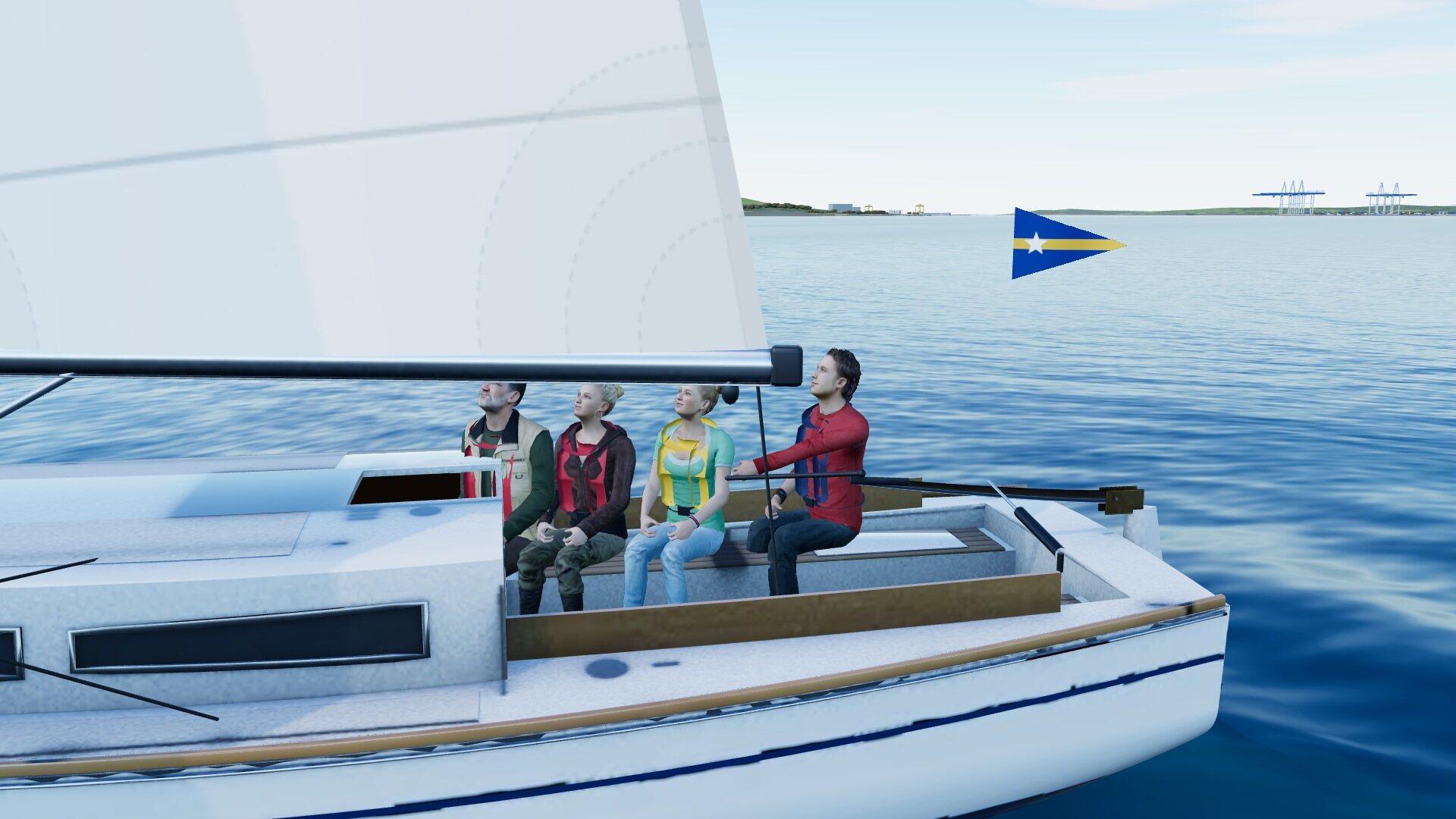
Many problems at sea could have been prevented before the boat left her berth, by checking the forecast and the boat and by telling someone ashore where she was going.
Before you go
- Check the forecast for the whole time you’ll be out, and decide whether it suits your boat and your crew.
- Tell someone your plans: where you’re going, who’s on board and when you’ll be back. In New Zealand you can also log a trip report with Coastguard, on the VHF or with the Coastguard app. Coastguard doesn’t start a search just because a trip report hasn’t been closed, but if someone reports you overdue, the report tells them where to look.
- Check the boat: fuel, water, the engine, the bilge, and that the safety gear is aboard and working.
- Take two ways of calling for help that will work when wet, such as a waterproof handheld VHF and a phone in a waterproof bag.
Lifejackets
Wear a lifejacket. Most people who drown in boating accidents weren’t wearing one, and once something has gone wrong there is rarely time to put one on. The law requires the skipper to carry a lifejacket of the right size for everyone aboard, and to make sure they are worn when the risk is higher: in rough water, crossing a bar, or in an emergency. On boats of 6 metres or less, Auckland’s navigation bylaw requires them to be worn as a rule.
On yachts most crews use inflatable lifejackets, which are comfortable enough to wear all day. Check the gas cylinder and the auto-inflation head regularly, and have them serviced as the maker recommends.
At night, in rough weather, and when working on the foredeck, clip on. Many yacht lifejackets have a harness built in; clip its tether to a strong point or to a jackstay, a line or strap running along the deck, so that you stay on the boat.
The safety briefing
Before you leave, show everyone aboard, especially anyone new to the boat:
| Where… | and how |
|---|---|
| Lifejackets | how to put one on, and adjust it |
| Fire extinguishers and the fire blanket | and how to use them |
| The liferaft or dinghy, and the grab bag | if the boat carries them |
| The VHF radio | and how to make a distress call |
| The flares and the EPIRB | and when to use them |
| The first-aid kit | |
| The engine controls and kill switch | how to start and stop it |
| The man overboard gear | lifebuoy, dan buoy, throwing line, and the drill in Chapter 12 |
| The gas and the seacocks | how to turn them off |
| The heads (toilet) | and how not to block it |
Calling for help
On a VHF radio, channel 16 is the distress, safety and calling channel. In New Zealand it is monitored by Maritime Radio and by Coastguard. A Mayday is for grave and imminent danger to a vessel or to life, such as sinking, fire, a person overboard, or a life-threatening injury or illness. A Pan-Pan is for an urgent situation where there is no immediate danger to life, such as an engine failure in open water with no hazard close by, or an injury that needs medical advice.
Cold, sun and seasickness
New Zealand water is cold enough to be dangerous even in summer. Someone who falls in gasps involuntarily (cold shock) and may breathe in water, and within about ten minutes their arms and legs can be too cold to swim properly. A lifejacket keeps them afloat through this, which is another reason to wear one, and to get people out of the water quickly. Once they’re aboard, get them dry, warm and sheltered.
On the water the sun is reflected back at you, and it’s easy to burn without noticing. Wear a hat, sunglasses and sunscreen, and drink plenty of water.
Seasickness affects almost everyone at some point. It helps to stay on deck in the fresh air, look at the horizon, keep warm, eat plain food and have a job to do; taking the helm often helps most. Seasickness tablets work much better taken before you go out than once you feel sick. A seasick crew member can become very unwell and careless of their own safety, so keep them clipped on and don’t leave them alone on deck.
Check yourself
Answer each one from memory before you look at the answer; recalling it is what fixes it in your mind. Tap an answer to check it.
-
Who should know your plans before you go out?
Try it in the simBefore you goShow the answer
B. Someone ashore, with a trip report logged. Someone ashore who knows where you went and when you’ll be back can raise the alarm if you aren’t.
-
An inflatable lifejacket’s indicator shows red. What does that mean?
Try it in the simSafety gear checkShow the answer
C. Its gas cylinder has fired or worked loose, so it won’t inflate. Green means armed. Red means re-arm it (new cylinder and cap) before anyone wears it.
-
Which VHF channel is for distress, urgency, safety and calling?
Try it in the simUsing the VHF radioShow the answer
A. Channel 16. Listen on 16 when under way. Call on 16, then move to a working channel to talk.
-
When may you send a Mayday?
Try it in the simMayday!Show the answer
B. When a vessel or a person is in grave and imminent danger. Mayday is for grave and imminent danger to life or the vessel. Something urgent but not yet that serious is a Pan-Pan.