
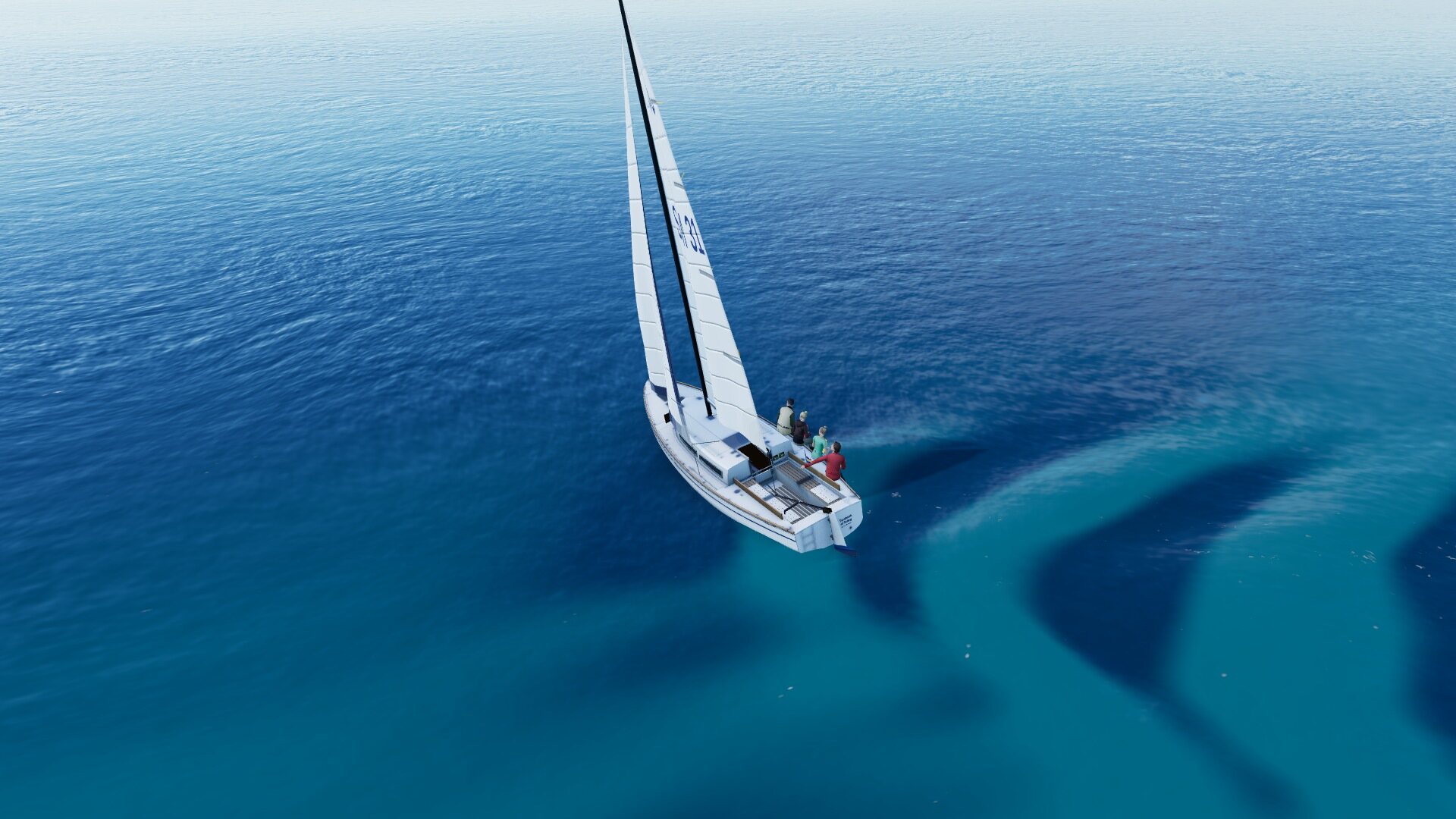
On a boat with a tiller, you push the tiller the opposite way to the way you want to go. Push it to port and the bow swings to starboard; pull it towards you and the bow swings away. It feels strange at first, but within an hour or so most people do it without thinking.
Steering
The helmsman normally sits on the windward side, facing across the boat, with the tiller in their aft hand and the mainsheet in the other. From there you can see the sails, the telltales and the water ahead, and you can feel the boat heel.
Turning towards the wind is called heading up or luffing up, and you do it by pushing the tiller away from you, towards the sails. Turning away from the wind is bearing away, and you do it by pulling the tiller towards you. As you turn, the sails need adjusting: pull them in as you head up and let them out as you bear away.
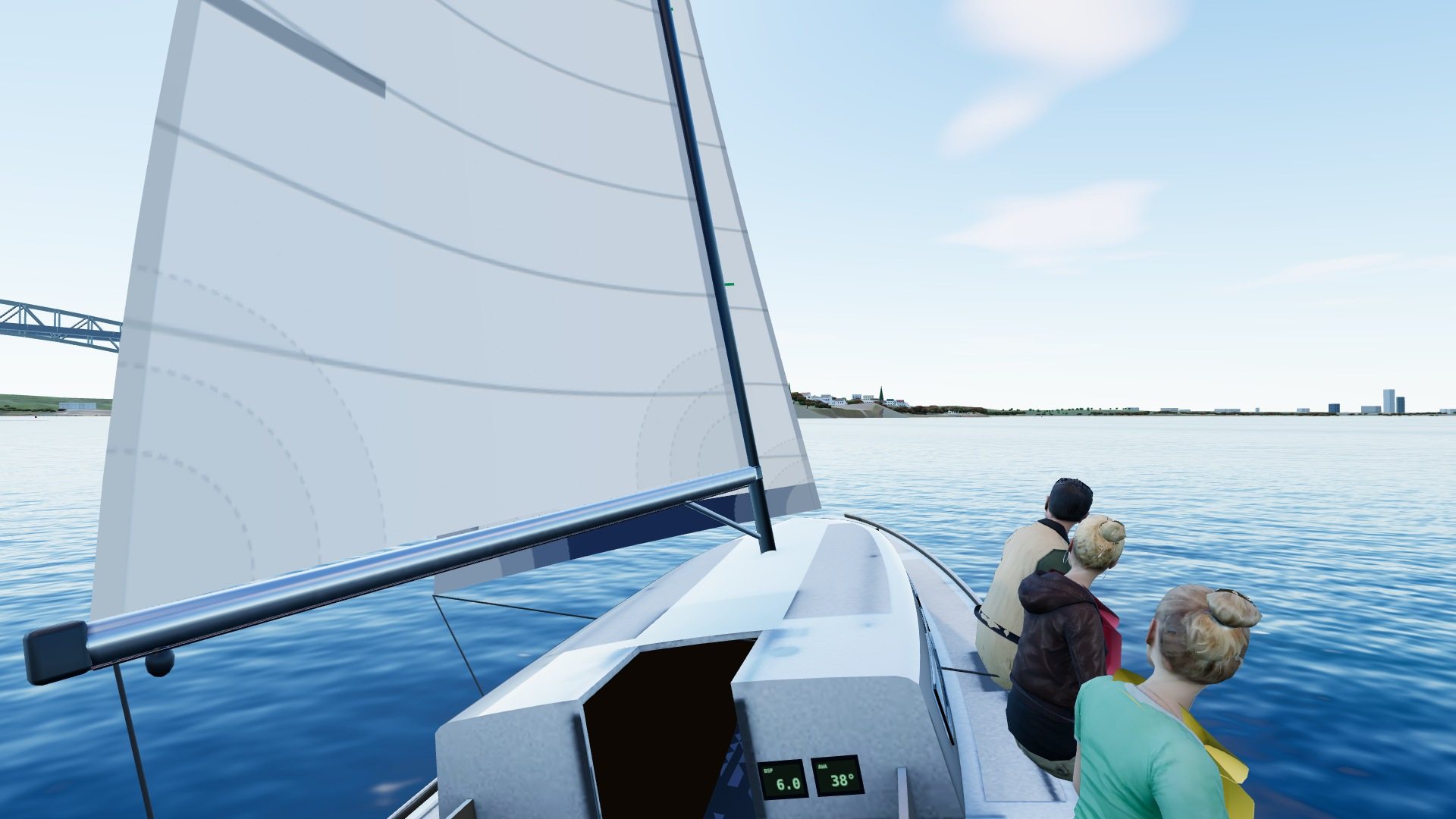
A rudder only works when water is flowing past it. At speed, a few degrees of tiller is all you need; when the boat is going slowly you need much more, and when she’s stopped the rudder does nothing at all. Steer with small, smooth movements, and give the boat time to respond before you move the tiller again. Over-steering is the commonest fault in a beginner, and every large movement of the rudder slows the boat.
Tacking
A tack turns the boat’s bow through the wind, from close-hauled on one side to close-hauled on the other: a turn of about 90 degrees. It needs speed, because for a few seconds in the middle the sails are flapping and producing no drive at all, and the boat carries on through the turn on her momentum.
- Get ready. Sail close-hauled, with the boat up to speed. Look all round, especially behind you and on the side you’re turning towards, to check the water is clear.
- “Ready about.” Warn the crew. They get into position, take the tail of the working jib sheet out of the winch’s jaws and hold it, with a few turns still on the drum, ready to let go, and put the new sheet on the other winch. When they’re ready they answer “Ready.”
- “Lee-oh.” Push the tiller firmly towards the sails. The bow swings up into the wind and the sails start to flap.
- Through the wind. Keep the turn going at a steady rate. As the bow passes through the wind the boom comes across, so keep your head down. The crew let the old jib sheet go and pull in the new one, quickly, before the sail fills.
- Change sides. The helmsman crosses the boat to the new windward side, facing forward, swapping hands on the tiller and mainsheet behind their back.
- Settle. Straighten the tiller when she has turned about 90 degrees, or a few degrees more, with the sails just eased. Let her build up speed, then bring her back up to close-hauled on the new tack.
Getting out of irons
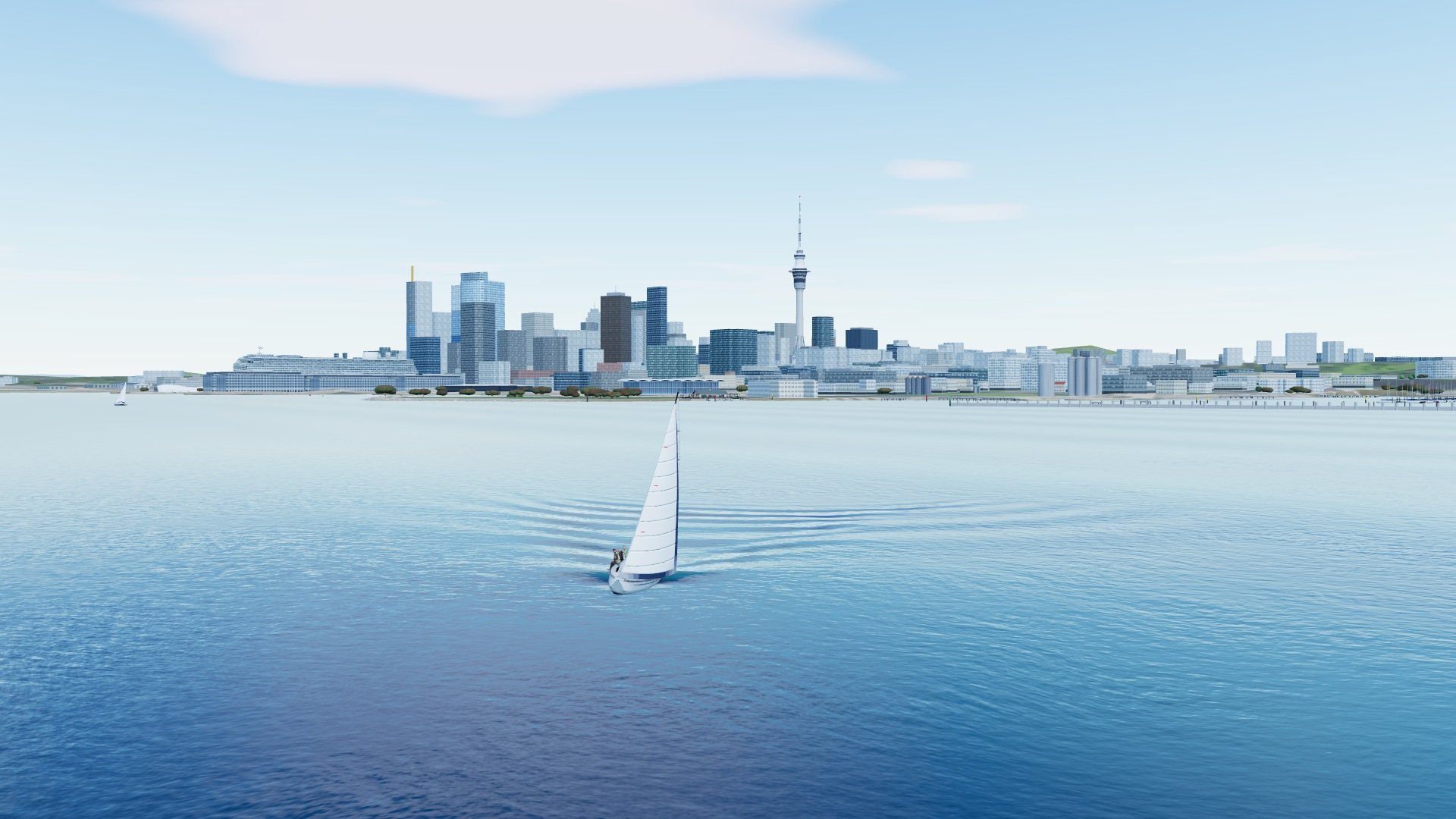
The commonest problem when you’re learning to tack is turning too slowly. The boat runs out of speed while she’s still pointing into the wind and stops, with the sails flapping. She’s in irons, and you can’t steer her out, because there’s no water flowing past the rudder.
To get out, hold the jib out on the side it was on, against the wind. This is called backing the jib. The wind pushes on the back of it and pushes the bow round. If the boat starts to drift backwards, the rudder works the other way round: going astern, the bow goes the way you push the tiller, so push it towards the side you want the bow to go. Once she’s turned far enough to fill the sails, let the jib across, pull it in on the new side, and sail away.
A good tack
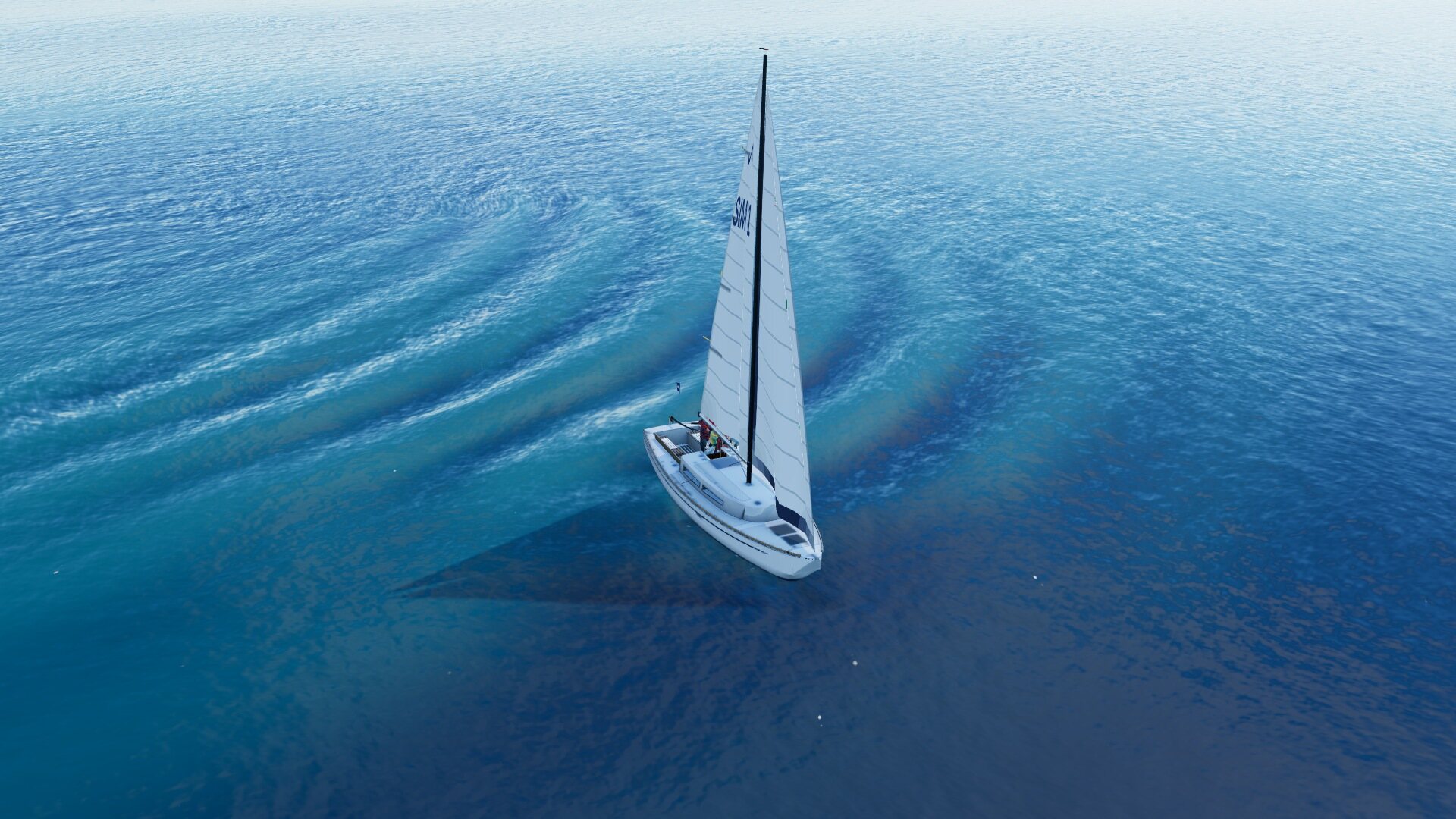
After a good tack the boat comes out at about half her speed, and is back up to full speed within five or six boat lengths, in 20 to 30 seconds. A slow or untidy one can cost several boat lengths each time, which adds up on a long beat. A good tack starts at full speed, turns smoothly and steadily, has the jib across and sheeted in quickly, and does not point high again until the boat has picked up speed.
Check yourself
Answer each one from memory before you look at the answer; recalling it is what fixes it in your mind. Tap an answer to check it.
-
What does the helmsman call to warn the crew that a tack is coming?
Try it in the simTackingShow the answer
B. “Ready about”. “Ready about” warns the crew. When they answer “ready”, you call “lee-oh” and turn.
-
Halfway through a tack she slows and stops head to wind. What usually went wrong?
Try it in the simTackingShow the answer
A. The turn was too slow, or she started it without enough speed. She ran out of speed while still in the no-go zone: in irons. Carry speed into the tack and keep the turn going steadily.
-
You are in irons. How do you get out?
Try it in the simTackingShow the answer
C. Back the jib (hold it out against the wind on one side) so the wind pushes the bow round, then sail off. A backed jib pushes the bow away from the wind. Once she has turned far enough, let it across, trim, and sail off.
-
After a tack, when do you point as close to the wind as before?
Try it in the simTackingShow the answer
B. Once she has built up speed again. Straighten up about 90° from where you started, let her build speed with the sails just eased, then come up to close-hauled.